
Some cities are famous for their monuments, while others are remembered for their culture or history. Agra is unique because it beautifully combines all three. Home to the world-famous Taj Mahal, this historic city has captivated travellers for centuries with its magnificent Mughal architecture, fascinating history, colourful markets, and warm hospitality.
Located on the banks of the Yamuna River in the northern state of Uttar Pradesh, Agra is one of India’s most visited destinations and forms an essential part of the renowned Golden Triangle circuit, along with Delhi and Jaipur. While the Taj Mahal is undoubtedly the city’s greatest attraction, Agra has much more to offer. Ancient forts, exquisite tombs, bustling bazaars, traditional craftsmanship, and authentic Mughal cuisine make every visit rich in unforgettable experiences.
Walking through Agra feels like stepping back in time. Every monument tells a story of powerful emperors, legendary love stories, artistic brilliance, and architectural innovation. Whether you’re admiring the intricate marble inlay work of the Taj Mahal, exploring the grand courtyards of Agra Fort, or watching the sunset from Mehtab Bagh, the city leaves a lasting impression on every traveller.
For international visitors, Agra is often the highlight of their journey through India. Its timeless charm, rich heritage, and welcoming atmosphere make it a destination that appeals to history enthusiasts, photographers, couples, families, and culture lovers alike.
At Agra Trip Packages, we have spent more than 15 years introducing travellers from across the world to the beauty and heritage of Agra. Our carefully planned tours combine iconic landmarks with authentic local experiences, ensuring every guest discovers the city’s true character beyond its famous monuments.
Agra at a Glance
- State: Uttar Pradesh
- Area: Approximately 188 sq. km
- Population: Around 2 million
- Languages: Hindi, English, Urdu and Braj Bhasha
- Major Religions: Hinduism, Islam, Jainism, Sikhism and Christianity
- Currency: Indian Rupee (INR)
- Time Zone: Indian Standard Time (UTC +5:30)
- Nearest International Airport: Agra Airport (limited international connectivity) and Indira Gandhi International Airport, Delhi
UNESCO World Heritage Sites: 3
- Taj Mahal
- Agra Fort
- Fatehpur Sikri
Agra as a Tourist Destination in 2026–2027
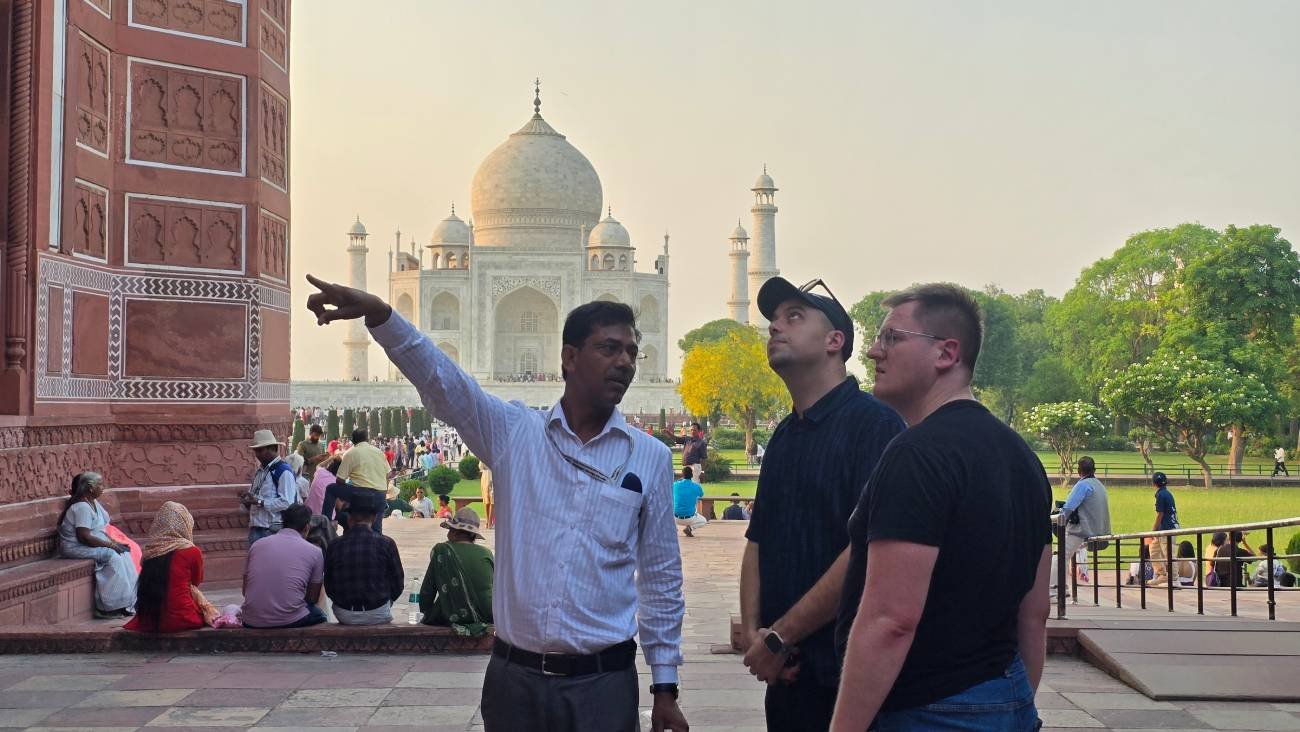
Agra continues to be one of India’s most iconic travel destinations, welcoming millions of visitors from around the globe each year. While the Taj Mahal remains the city’s most celebrated attraction, today’s travellers are increasingly discovering Agra’s rich cultural heritage, vibrant markets, hidden architectural gems, and authentic local experiences.
In recent years, improved roads, better visitor facilities, guided heritage walks, enhanced tourism services, and modern accommodation options have made exploring Agra more comfortable than ever. Whether you are planning a day trip from Delhi or a leisurely stay of two or three days, the city offers experiences that go far beyond its famous white marble masterpiece.
Visitors can explore magnificent Mughal monuments, enjoy rooftop dining with spectacular Taj Mahal views, watch skilled artisans create intricate marble inlay work, taste traditional Mughlai cuisine, wander through bustling local markets, and experience the city’s vibrant culture at a relaxed pace.
Agra is also perfectly positioned for exploring nearby destinations such as Fatehpur Sikri, Mathura, Vrindavan, Bharatpur, and Chambal, making it an ideal base for a wider North India itinerary.
Why Foreign Tourists Love Agra
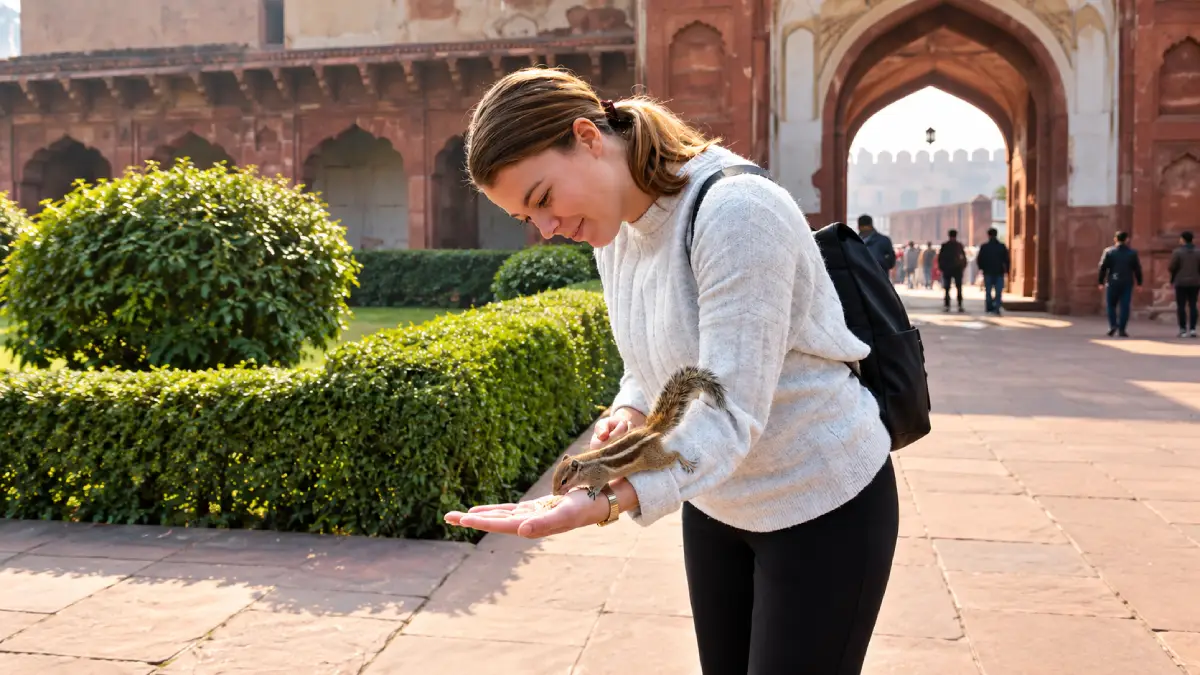
Few destinations evoke as much emotion as Agra. For many international travellers, seeing the Taj Mahal in person is a lifelong dream, and standing before this magnificent monument is an experience that words often fail to describe.
However, Agra’s appeal extends far beyond the Taj Mahal. Visitors are captivated by the city’s fascinating history, impressive Mughal architecture, skilled local artisans, colourful markets, and authentic cultural experiences.
One of the reasons travellers fall in love with Agra is its atmosphere. Sunrise over the Taj Mahal, the peaceful gardens of Mehtab Bagh, the impressive red sandstone walls of Agra Fort, and the lively streets filled with the aroma of traditional cuisine create memories that remain long after the journey ends.
Agra is also one of the best places to understand the grandeur of the Mughal Empire. Every palace, courtyard, mosque, and garden reflects remarkable craftsmanship and artistic excellence, giving visitors a deeper appreciation of India’s rich cultural heritage.
Photographers, historians, architecture enthusiasts, honeymooners, and first-time visitors all find something extraordinary in Agra. Whether you’re watching the changing colours of the Taj Mahal at sunrise, exploring hidden corners of Agra Fort, or shopping for handcrafted marble souvenirs, every experience feels special.
A Journey Through Agra’s History
Agra’s history dates back many centuries, but it reached its greatest prominence during the Mughal era. Under the reigns of emperors such as Akbar, Jahangir, and Shah Jahan, the city flourished as one of the most important political, cultural, and artistic centres in the world.
Emperor Akbar established Agra as his capital and commissioned the magnificent Agra Fort, a masterpiece of military architecture and royal design. Later, Shah Jahan transformed the city with the construction of the Taj Mahal, built as an enduring tribute to his beloved wife, Mumtaz Mahal.
Beyond these iconic monuments, Agra became a centre for literature, music, architecture, and craftsmanship. Many traditional art forms, particularly marble inlay work and stone carving, continue to thrive today, passed down through generations of skilled artisans.
Walking through Agra offers visitors a unique opportunity to experience living history. The city’s magnificent monuments, historic neighbourhoods, bustling bazaars, and enduring traditions create a fascinating connection between the past and the present.
Mughal Architecture at Its Finest
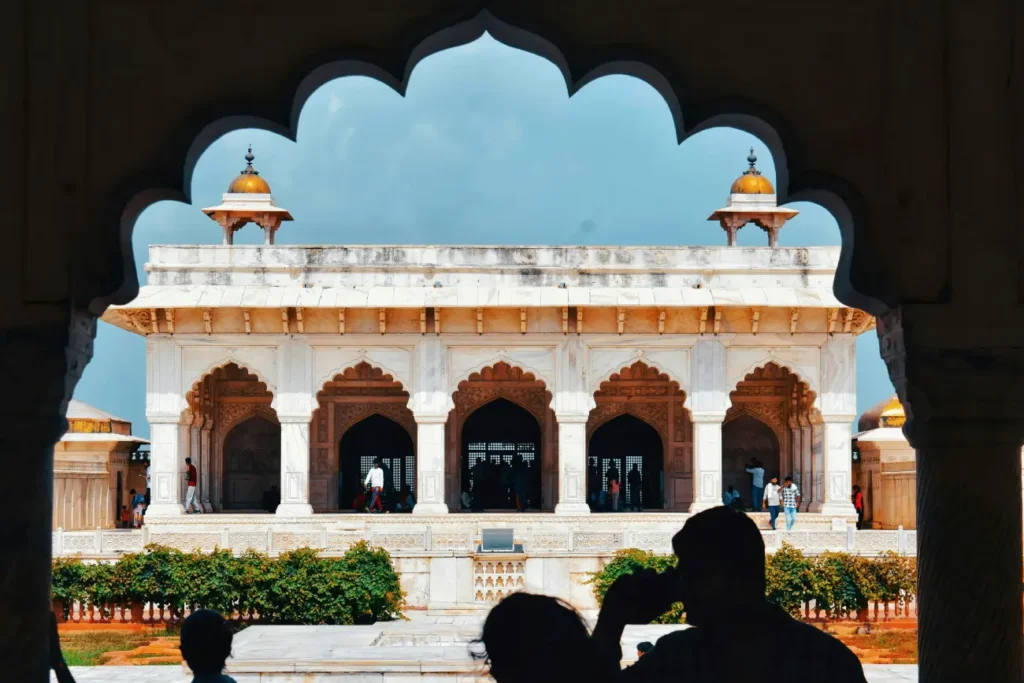
Agra is one of the world’s finest destinations for anyone interested in architecture. The city showcases the remarkable achievements of Mughal craftsmanship, blending Persian, Islamic, and Indian influences into timeless masterpieces.
The Taj Mahal is undoubtedly the jewel of Mughal architecture. Its perfect symmetry, intricate marble inlay work, elegant calligraphy, beautiful gardens, and changing colours throughout the day continue to inspire admiration from visitors across the globe.
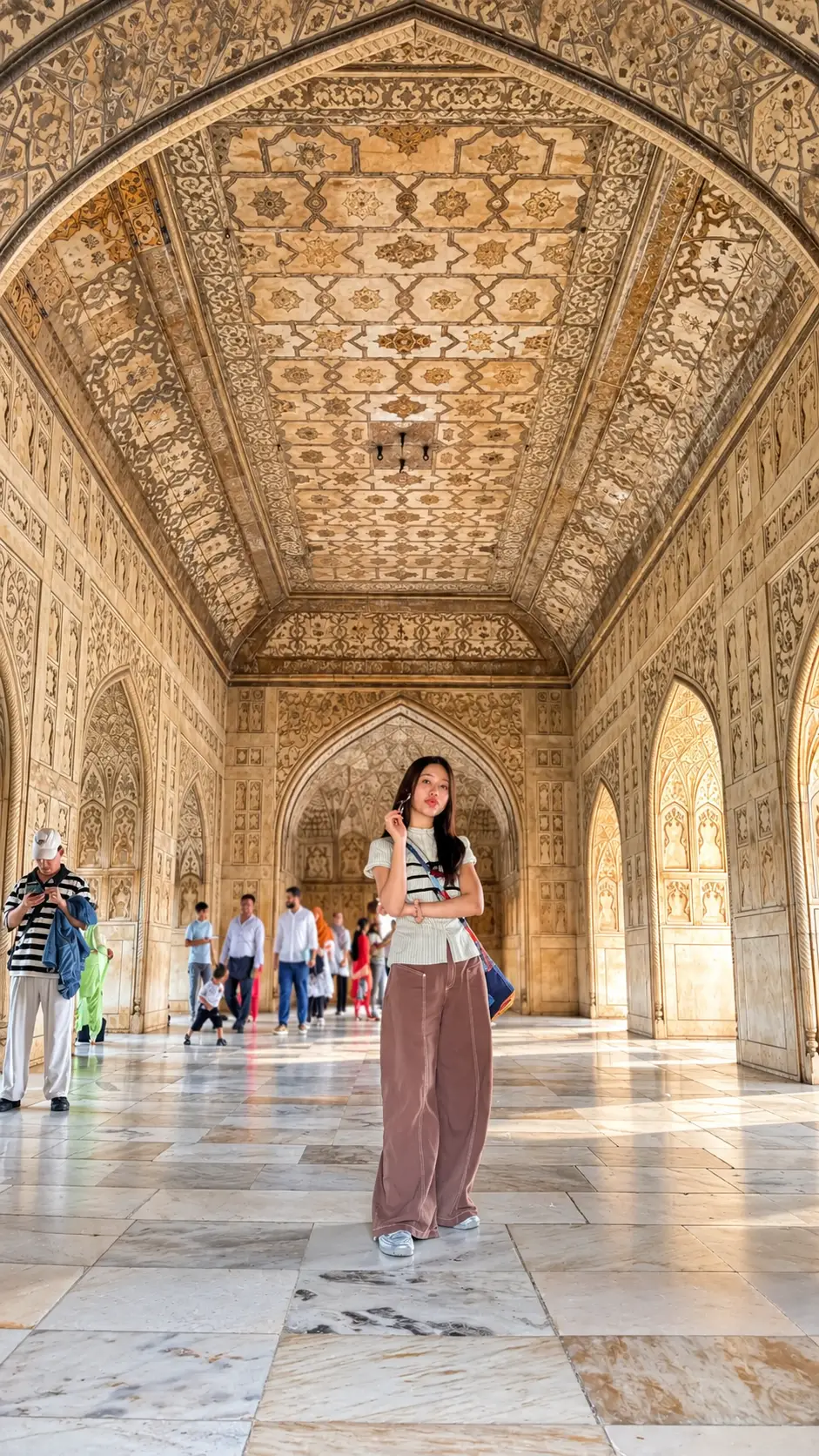
Agra Fort demonstrates another side of Mughal brilliance, combining military strength with royal elegance through grand gateways, marble palaces, audience halls, courtyards, and riverside pavilions.
Other architectural treasures, including Itmad-ud-Daulah’s Tomb—often called the “Baby Taj”—and the magnificent city of Fatehpur Sikri, further highlight the creativity and sophistication of Mughal design.
From majestic domes and delicate lattice screens to beautifully landscaped gardens and finely carved sandstone, every monument in Agra reflects extraordinary attention to detail and timeless artistic excellence.
Top Places to Visit in Agra
While the Taj Mahal is undoubtedly Agra’s most famous landmark, the city is home to many remarkable attractions that showcase its rich history, vibrant culture, and architectural brilliance. Spending at least two days in Agra allows travellers to experience much more than a quick visit to the Taj Mahal.
Taj Mahal – The Eternal Symbol of Love
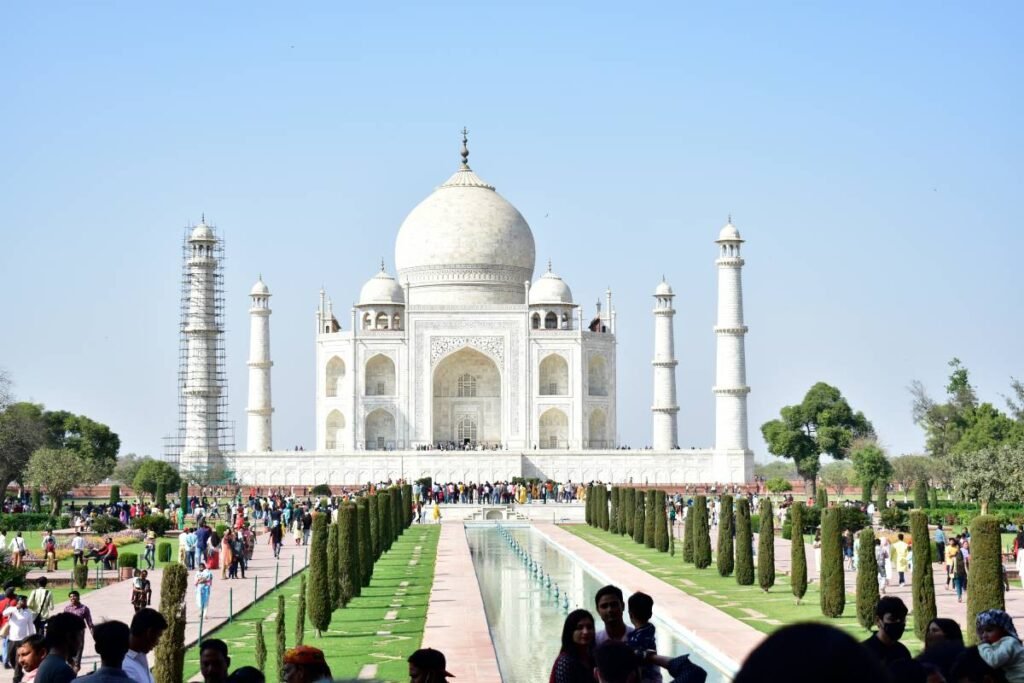
No visit to India is complete without seeing the Taj Mahal, one of the Seven Wonders of the World and a UNESCO World Heritage Site. Commissioned by Emperor Shah Jahan in memory of his beloved wife, Mumtaz Mahal, this breathtaking white marble mausoleum is admired for its perfect symmetry, intricate craftsmanship, and timeless beauty.
Every visit offers a different experience. The soft morning light gives the marble a delicate pink hue, the bright afternoon sun highlights its intricate carvings, and the golden glow of sunset creates a magical atmosphere. The beautifully landscaped gardens, reflecting pools, and detailed marble inlay work make the Taj Mahal one of the most photographed monuments in the world.
For the best experience, we recommend arriving early in the morning when the weather is pleasant and the crowds are smaller.
Agra Fort – The Grand Residence of the Mughal Emperors
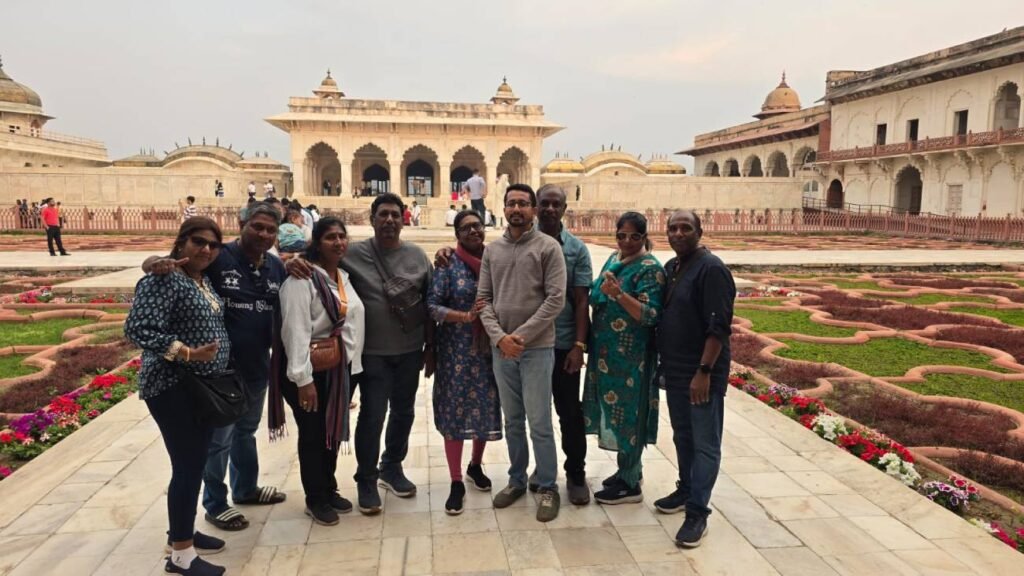
Just a few kilometres from the Taj Mahal stands the magnificent Agra Fort, another UNESCO World Heritage Site. This impressive red sandstone fortress served as the royal residence of the Mughal emperors for generations.
Inside the fort, visitors can explore elegant palaces, royal courtyards, audience halls, beautiful mosques, and charming gardens. One of the most moving moments is standing at the Musamman Burj, where Shah Jahan is believed to have spent his final years, gazing across the Yamuna River towards the Taj Mahal.
The combination of history, architecture, and panoramic views makes Agra Fort an essential stop on every itinerary.
Fatehpur Sikri – The Abandoned Mughal Capital
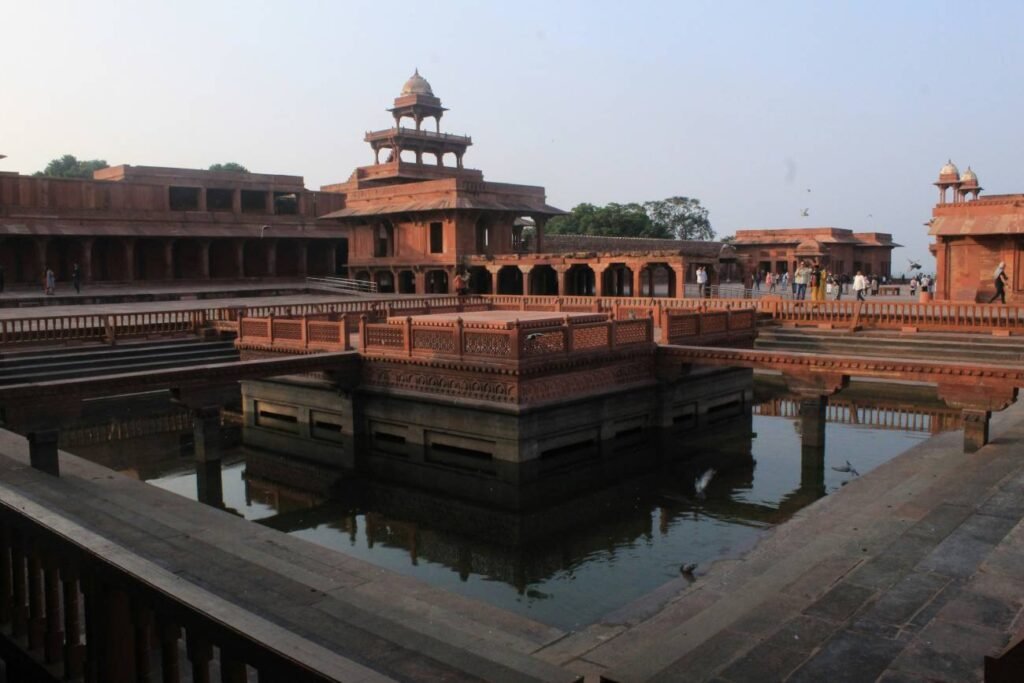
Located around 40 kilometres from Agra, Fatehpur Sikri is one of India’s finest examples of Mughal urban planning. Built by Emperor Akbar in the 16th century, this magnificent city served as the Mughal capital for only a short period before being abandoned due to water shortages.
Today, visitors can wander through beautifully preserved palaces, courtyards, mosques, and royal residences that offer fascinating insights into Mughal life. Highlights include Buland Darwaza, Jama Masjid, Panch Mahal, Diwan-i-Khas, and the Tomb of Salim Chishti.
Its peaceful atmosphere and stunning architecture make Fatehpur Sikri a favourite among history enthusiasts and photographers.
Mehtab Bagh – The Best View of the Taj Mahal
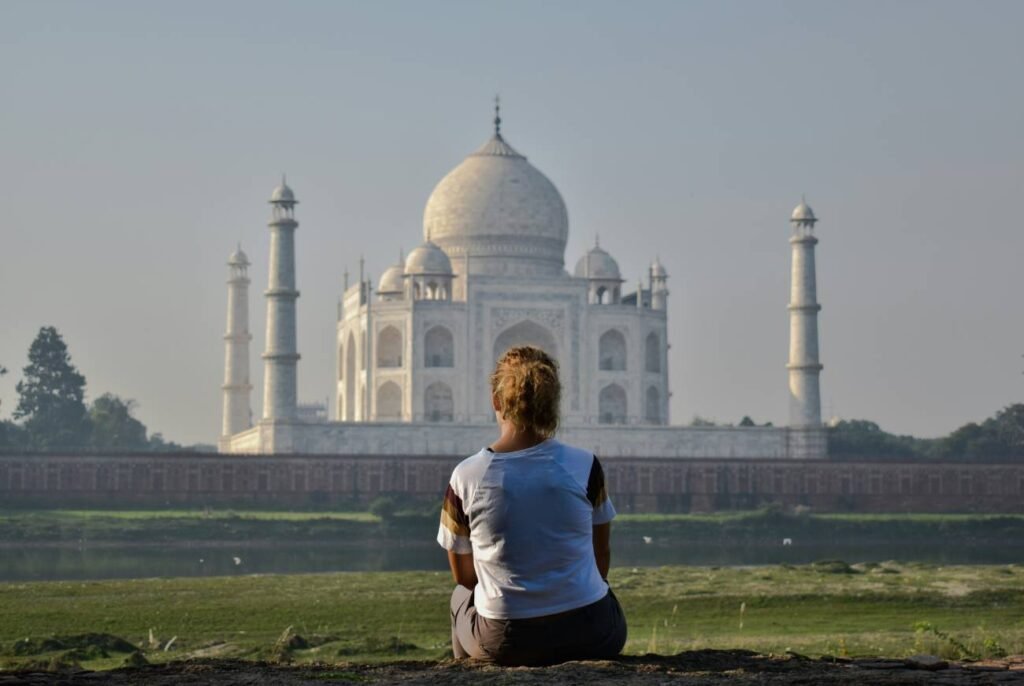
Situated across the Yamuna River, Mehtab Bagh is a beautifully maintained Mughal garden that offers one of the finest panoramic views of the Taj Mahal.
Unlike the busy atmosphere surrounding the monument itself, Mehtab Bagh provides a peaceful setting where visitors can admire the Taj from a different perspective, particularly during sunset. It is also one of the best locations for capturing postcard-worthy photographs.
Itmad-ud-Daulah’s Tomb – The Baby Taj
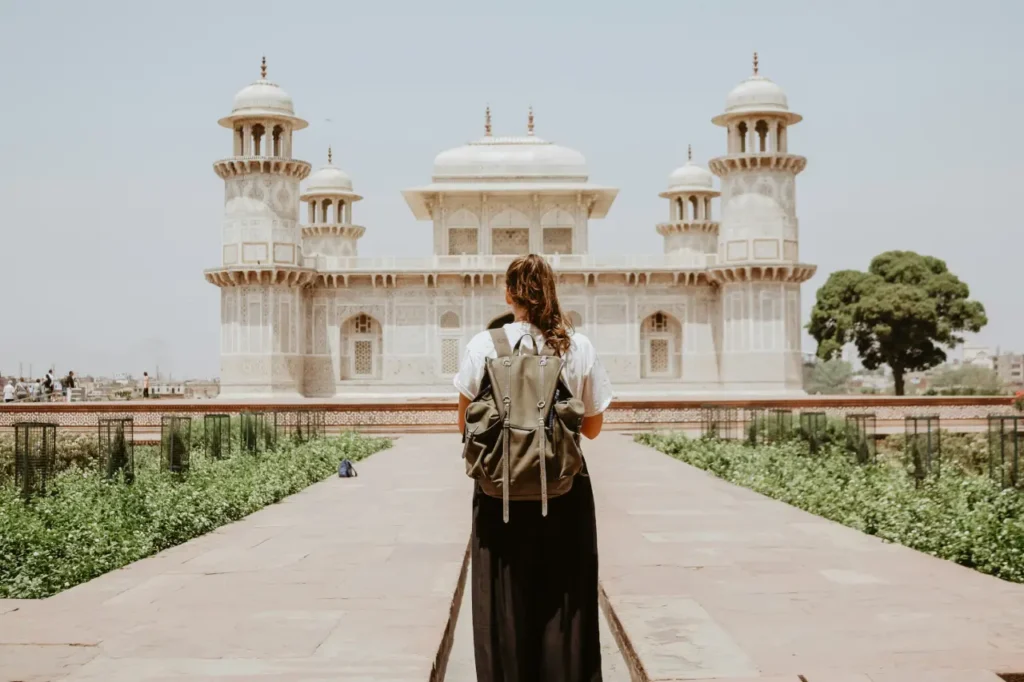
Often referred to as the “Baby Taj,” this elegant marble tomb is one of Agra’s hidden architectural gems. Built before the Taj Mahal, it introduced many decorative techniques that were later perfected in Shah Jahan’s masterpiece.
Delicate marble screens, colourful gemstone inlay work, intricate floral patterns, and peaceful gardens make this monument a delight for visitors who appreciate fine craftsmanship and quieter attractions.
Akbar’s Tomb, Sikandra
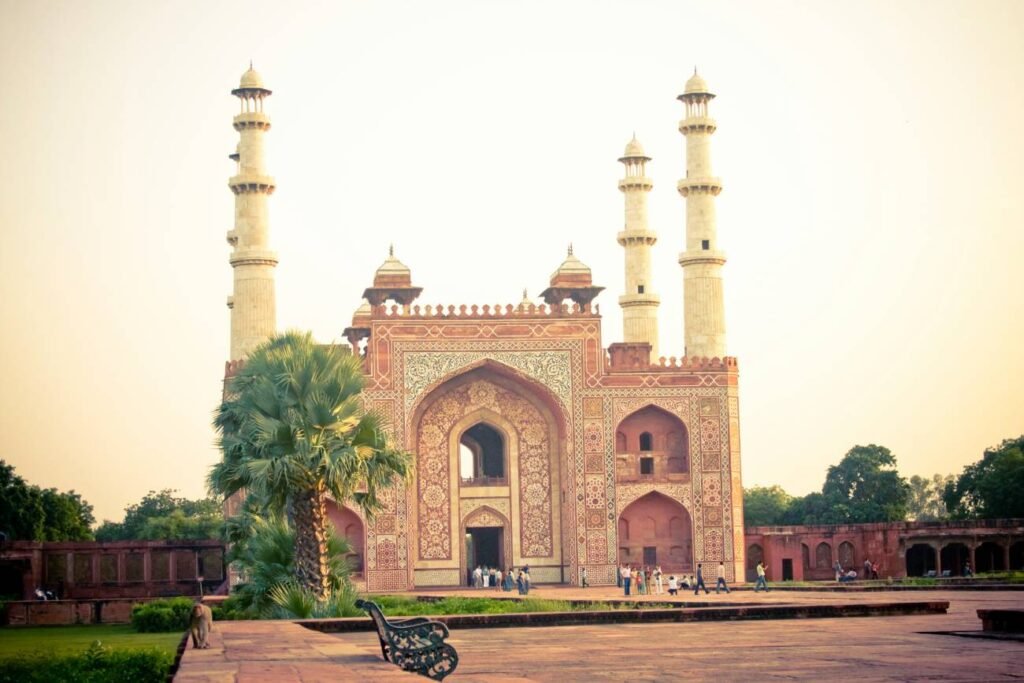
The magnificent tomb of Emperor Akbar reflects the ruler’s vision of religious harmony and architectural innovation. Set within beautifully landscaped gardens, the monument combines Islamic, Hindu, Jain, and Persian design elements, creating a truly unique architectural masterpiece.
The surrounding gardens are also home to deer, peacocks, and numerous bird species, making the visit both peaceful and scenic.
Jama Masjid
One of the largest mosques in India, Agra’s Jama Masjid is admired for its striking red sandstone architecture, elegant domes, and peaceful courtyards. Built during the Mughal era, it continues to serve as an important place of worship while welcoming visitors interested in Islamic architecture and history.
Kinari Bazaar – Experience the Heart of Local Agra
For travellers who enjoy authentic local experiences, Kinari Bazaar is a must-visit. This lively market is filled with colourful shops selling textiles, jewellery, spices, leather goods, handcrafted souvenirs, marble artefacts, and traditional Indian clothing.
Walking through its bustling lanes offers a glimpse into everyday life in Agra while providing excellent opportunities to shop for unique keepsakes.
Experiences You Shouldn’t Miss in Agra
Agra offers much more than sightseeing. Some of the city’s most memorable moments come from immersing yourself in its culture, traditions, and local way of life.
Watch the Sunrise at the Taj Mahal
Few experiences compare to watching the first rays of sunlight illuminate the white marble of the Taj Mahal. The peaceful atmosphere and changing colours create a truly unforgettable start to the day.
Witness Traditional Marble Inlay Art
Agra is renowned for its exquisite marble craftsmanship, a tradition that dates back to the construction of the Taj Mahal. Visiting local artisan workshops allows travellers to observe skilled craftsmen creating intricate designs using semi-precious stones—a technique that has been preserved for generations.
Taste Authentic Mughlai Cuisine
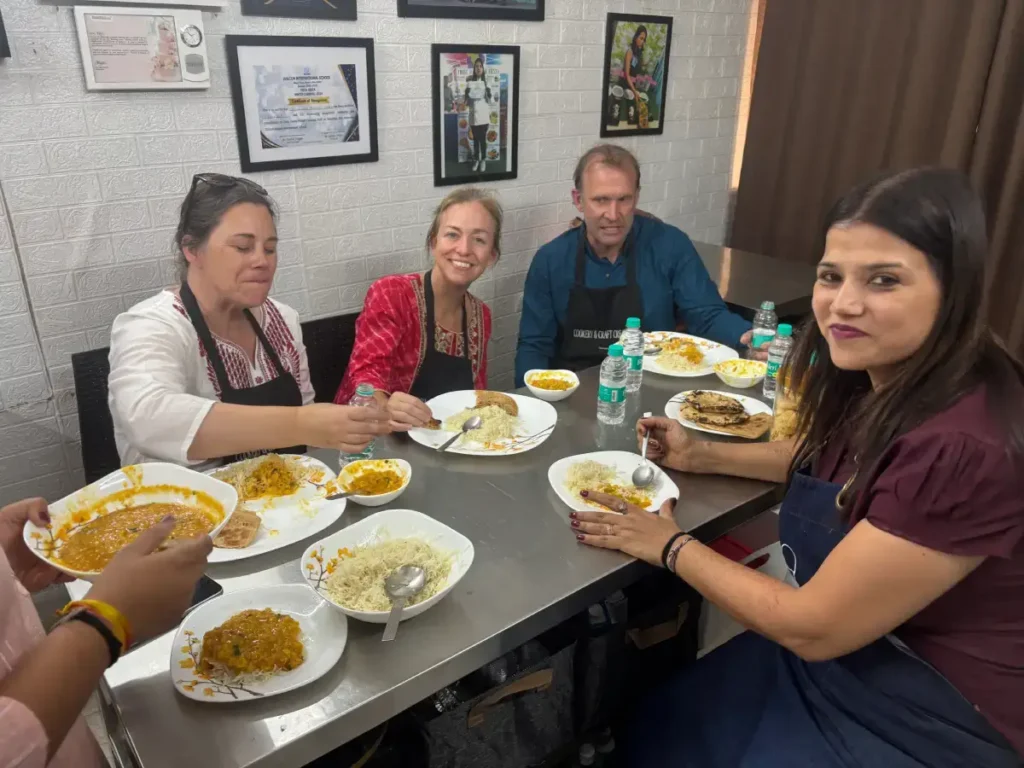
Agra’s culinary heritage reflects the rich influence of the Mughal Empire. Signature dishes such as Mughlai curries, kebabs, biryanis, naan, and rich desserts provide visitors with an authentic taste of the city’s history.
Don’t miss Agra’s famous Petha, a translucent sweet made from ash gourd, available in a variety of delicious flavours.
Enjoy a Heritage Walk
Exploring Agra on foot with an experienced guide reveals hidden lanes, historic neighbourhoods, ancient temples, traditional markets, and fascinating stories that many visitors never discover.
Experience Mohabbat The Taj
This acclaimed live cultural performance beautifully recreates the story of Shah Jahan and Mumtaz Mahal through music, dance, colourful costumes, and theatrical storytelling. It is an excellent way to understand the romance and history behind the Taj Mahal.
Shopping in Agra
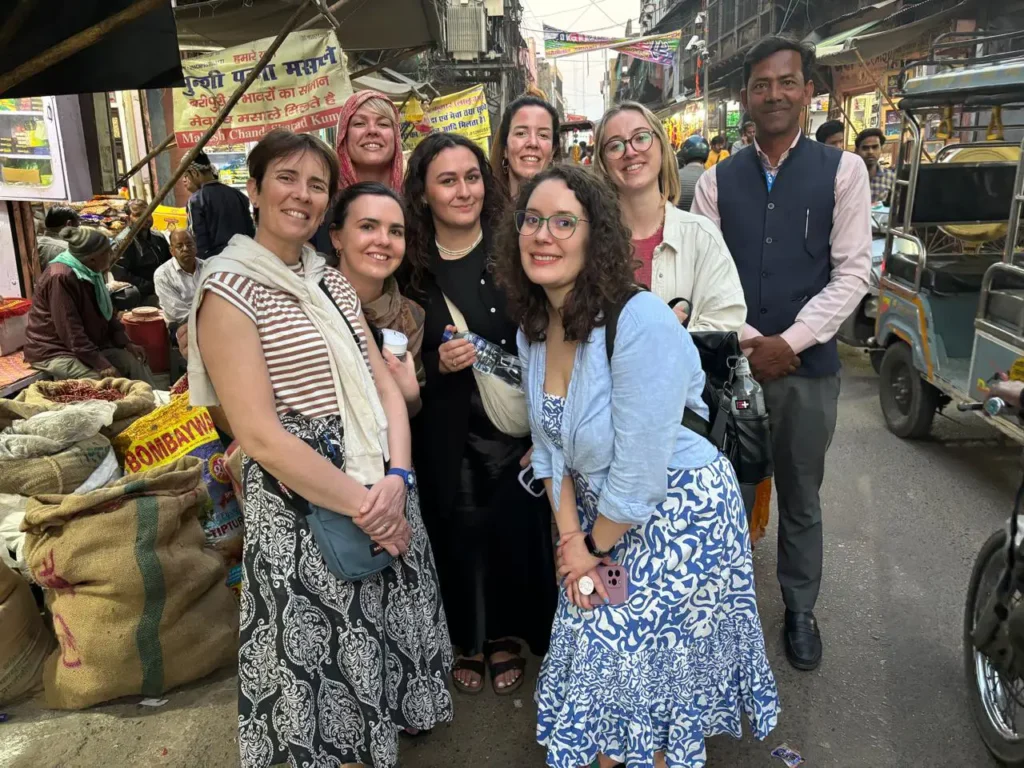
Shopping is an enjoyable part of every visit to Agra. The city is famous for its traditional craftsmanship and handmade products.
Popular purchases include:
- Marble inlay souvenirs
- Leather products
- Handwoven carpets
- Brassware
- Traditional jewellery
- Handicrafts
- Wooden artefacts
- Embroidered textiles
- Decorative home accessories
Popular shopping destinations include Kinari Bazaar, Sadar Bazaar, Subhash Bazaar, and government-approved handicraft emporiums, where visitors can purchase authentic locally made products.
A Taste of Agra
Agra’s cuisine reflects centuries of royal influence and local traditions.
Alongside authentic Mughlai dishes, visitors can enjoy North Indian favourites, freshly baked breads, rich curries, traditional sweets, and a variety of street food delicacies.
Some local favourites include:
- Petha
- Bedai with Aloo Sabzi
- Mughlai Biryani
- Seekh Kebabs
- Butter Chicken
- Dahi Bhalla
- Kachori
- Jalebi
- Kulfi
- Lassi
Food tours have become increasingly popular among international travellers, offering an excellent opportunity to sample authentic local cuisine while learning about Agra’s culinary heritage.
How to Plan Your Agra Tour
One-Day Tour
Perfect for travellers visiting from Delhi.
Suggested itinerary:
- Sunrise at Taj Mahal
- Breakfast
- Agra Fort
- Lunch
- Itmad-ud-Daulah
- Mehtab Bagh at sunset
- Shopping before departure
Two-Day Tour
Ideal for a more relaxed experience.
Day One:
Taj Mahal, Agra Fort, Mehtab Bagh and local markets.
Day Two:
Fatehpur Sikri, Akbar’s Tomb, artisan workshops and food experiences.
Three-Day Tour
Perfect for travellers wanting to explore nearby destinations such as Bharatpur Bird Sanctuary, Chambal Safari, or Mathura and Vrindavan while enjoying Agra at a leisurely pace.
Best Agra Tour Packages
At Agra Trip Packages, every itinerary is carefully customised to suit your interests, travel style, and schedule.

Best Time to Visit Agra
Agra is a destination that can be visited throughout the year, but the experience varies with the seasons. Choosing the right time to travel can help you enjoy its monuments and outdoor attractions more comfortably.
October to March – The Best Season
The months from October to March are considered the ideal time to visit Agra. The weather is pleasant, making it perfect for exploring the Taj Mahal, Agra Fort, Fatehpur Sikri, and the city’s vibrant markets on foot. The cool mornings are especially magical, with the soft sunlight illuminating the white marble of the Taj Mahal.
This period also coincides with several cultural festivals and events, allowing visitors to experience Agra’s traditions alongside its historic landmarks.
April to June – Summer
Summer in Agra can be hot, with daytime temperatures often exceeding 40°C. While afternoons are best spent relaxing indoors, early morning and evening sightseeing remain enjoyable.
The advantage of travelling during this season is fewer crowds at major attractions and attractive hotel offers, making it a good option for budget-conscious travellers.
July to September – Monsoon
The monsoon brings occasional showers that add a refreshing charm to the city. The gardens surrounding the Taj Mahal and other Mughal monuments become lush and vibrant, creating beautiful photographic opportunities. Travellers who prefer quieter attractions and cooler evenings often enjoy visiting during this time.
Essential Travel Tips for Agra
A little planning can make your visit to Agra smooth and enjoyable.
- Visit the Taj Mahal early in the morning for cooler weather and a more peaceful experience.
- Wear comfortable walking shoes, as you’ll spend a considerable amount of time exploring large heritage sites.
- Carry a reusable water bottle and stay hydrated, especially during warmer months.
- Keep your camera or smartphone fully charged—Agra offers countless photo opportunities.
- Book tickets online in advance during the peak tourist season to save time.
- Purchase souvenirs from reputable shops or government-approved emporiums for authentic handicrafts.
- Keep some cash handy for local markets, although digital payments are widely accepted.
What to Wear in Agra
Comfortable clothing will help you enjoy your sightseeing experience.
Winter (October to February)
Light sweaters or jackets are recommended, particularly during early mornings and evenings. Layered clothing works well as temperatures can change throughout the day.
Summer (March to June)
Choose breathable cotton clothing, comfortable walking shoes, sunglasses, sunscreen, and a wide-brimmed hat to stay protected from the sun.
Monsoon (July to September)
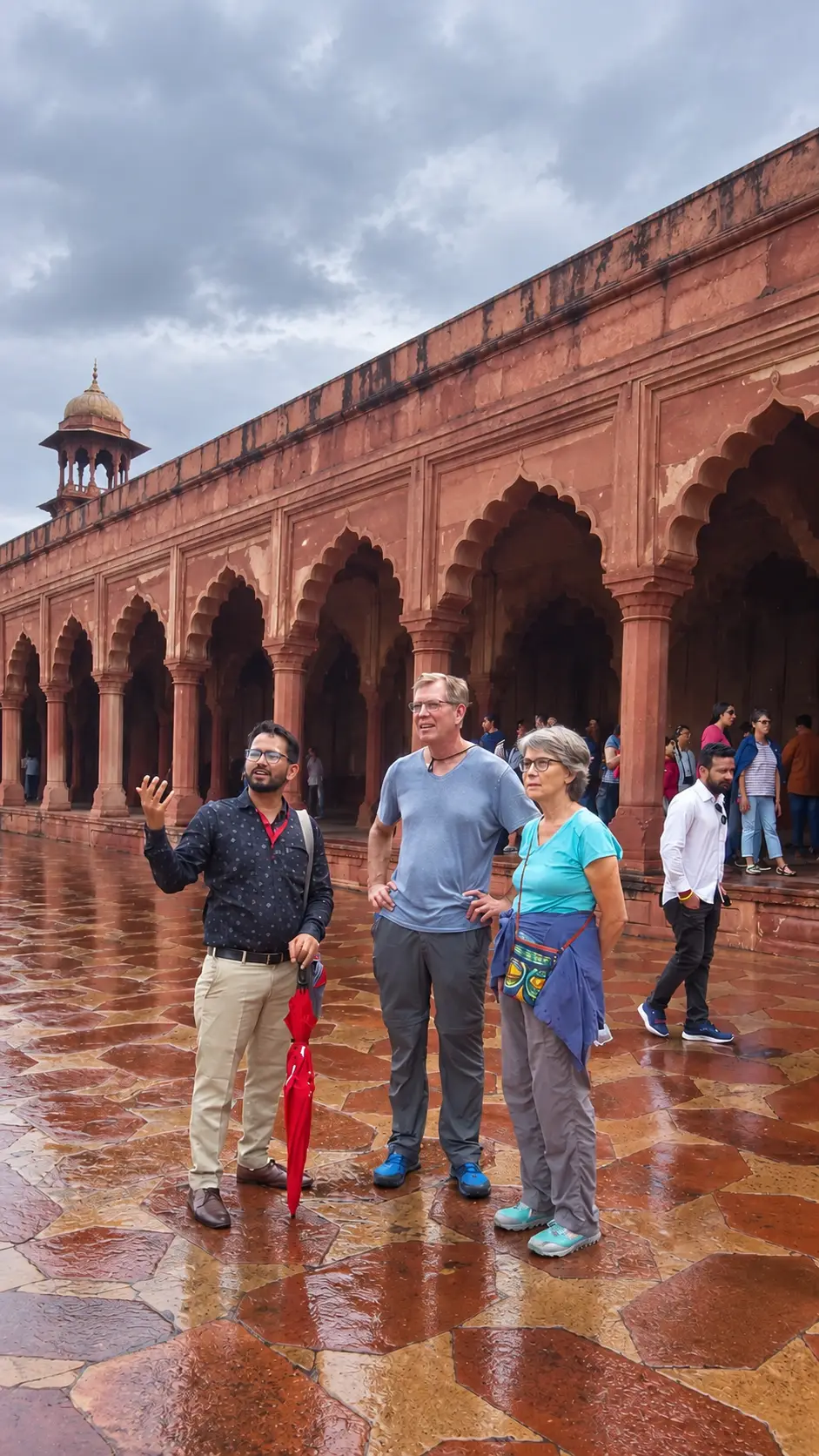
Carry a lightweight rain jacket or umbrella and wear footwear with a good grip for walking on wet pathways.
When visiting religious places such as mosques or temples, modest clothing that covers the shoulders and knees is appreciated.
Cultural Etiquette to Follow
Agra warmly welcomes visitors from around the world, and respecting local customs helps create a more meaningful travel experience.
- Dress modestly when visiting religious sites.
- Remove your shoes where required before entering places of worship.
- Ask permission before photographing local people.
- Avoid touching delicate marble carvings or historic structures.
- Dispose of waste responsibly and help preserve heritage monuments.
- Be respectful during guided tours and inside memorial sites.
- Support local artisans by purchasing genuine handmade products rather than mass-produced souvenirs.
Simple acts of courtesy often lead to memorable interactions with local communities.
Travelling Around Agra Safely and Comfortably
Agra is well connected by modern expressways, rail services, and domestic flights, making it easily accessible from Delhi, Jaipur, Lucknow, and other major cities.
Private chauffeur-driven vehicles remain the preferred option for international travellers, offering flexibility, comfort, and the convenience of exploring at your own pace. Battery-operated vehicles and golf carts are available near the Taj Mahal to reduce pollution around the monument.
Auto-rickshaws, taxis, and app-based cab services are readily available for short journeys within the city.
As with any popular tourist destination, it is advisable to keep your belongings secure in crowded areas and use authorised transportation services for a safe and hassle-free experience.
What to Pack for Your Agra Tour
Packing thoughtfully will ensure a comfortable visit.
We recommend bringing:
- Comfortable walking shoes
- Lightweight cotton clothing
- Sunglasses and sunscreen
- A hat or cap
- Portable phone charger
- Camera with extra memory cards
- Reusable water bottle
- Personal medications
- Universal travel adapter
- A light jacket during winter
- Copies of important travel documents
If your itinerary includes visits to nearby destinations such as Fatehpur Sikri or Bharatpur, a small day backpack will also be useful.
Discover Agra with Agra Trip Packages
At Agra Trip Packages, we believe that visiting Agra should be about more than simply ticking the Taj Mahal off your travel list. It should be about understanding the stories behind its monuments, experiencing its vibrant culture, meeting its skilled artisans, and creating memories that last a lifetime.
For over 15 years, we have had the privilege of welcoming travellers from across the world and introducing them to the beauty, history, and traditions of Agra. During these years, we have seen countless visitors arrive expecting to spend only a few hours in the city—only to leave wishing they had stayed longer.
Agra’s timeless architecture, fascinating Mughal heritage, delicious cuisine, colourful markets, and warm hospitality continue to make it one of India’s most loved destinations for international travellers.
Our carefully designed tours go beyond the famous landmarks. Alongside iconic attractions, we help our guests discover hidden gems, interact with local craftsmen, explore authentic neighbourhoods, enjoy regional flavours, and gain a deeper understanding of Agra’s remarkable history.
Whether you are visiting Agra as part of the Golden Triangle or planning a dedicated heritage holiday, our experienced team ensures that every moment of your journey is enjoyable, comfortable, and stress-free.
Why Choose Agra Trip Packages?
Exceptional Sightseeing Experiences
Every itinerary is thoughtfully planned to ensure you experience Agra’s most iconic attractions as well as its lesser-known treasures without feeling rushed.
Seamless Luggage Handling
From hotel transfers to intercity travel, we take care of your luggage so you can focus entirely on enjoying your holiday.
Government-Certified Tour Guides
Our knowledgeable, licensed guides bring Agra’s rich history to life with engaging storytelling, fascinating insights, and local expertise.
Professional Drivers
Our courteous and experienced drivers ensure safe, comfortable, and punctual travel throughout your journey, allowing you to relax and enjoy every destination.
All-Inclusive Travel Experience
From accommodation and transportation to guided sightseeing, airport transfers, local experiences, and personalised assistance, we handle every detail to provide a smooth and memorable holiday.
Experience the Timeless Beauty of Agra
Agra is far more than the home of the Taj Mahal. It is a city where history, romance, architecture, culture, and craftsmanship come together to create unforgettable travel experiences.
Whether you are admiring the elegance of the Taj Mahal at sunrise, exploring the majestic halls of Agra Fort, wandering through the peaceful gardens of Mehtab Bagh, discovering the grandeur of Fatehpur Sikri, or shopping for handcrafted souvenirs in bustling local markets, every moment in Agra tells a story.
With Agra Trip Packages as your trusted travel partner, you’ll experience the city through carefully planned itineraries, expert local guidance, personalised service, and authentic cultural encounters.
Let us help you discover the true spirit of Agra—where every monument has a story, every street reflects history, and every journey becomes a memory you’ll cherish forever.